

2026 Fizik Vento Antares R3 Adaptive
Fizik
$299.99
(No reviews yet)

Write a Review
Fizik
2026 Fizik Vento Antares R3 Adaptive
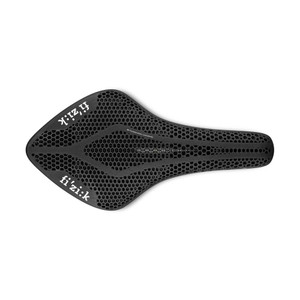
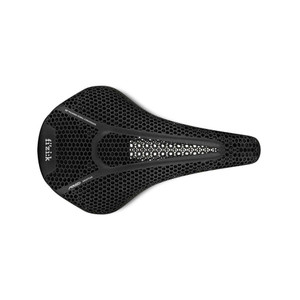
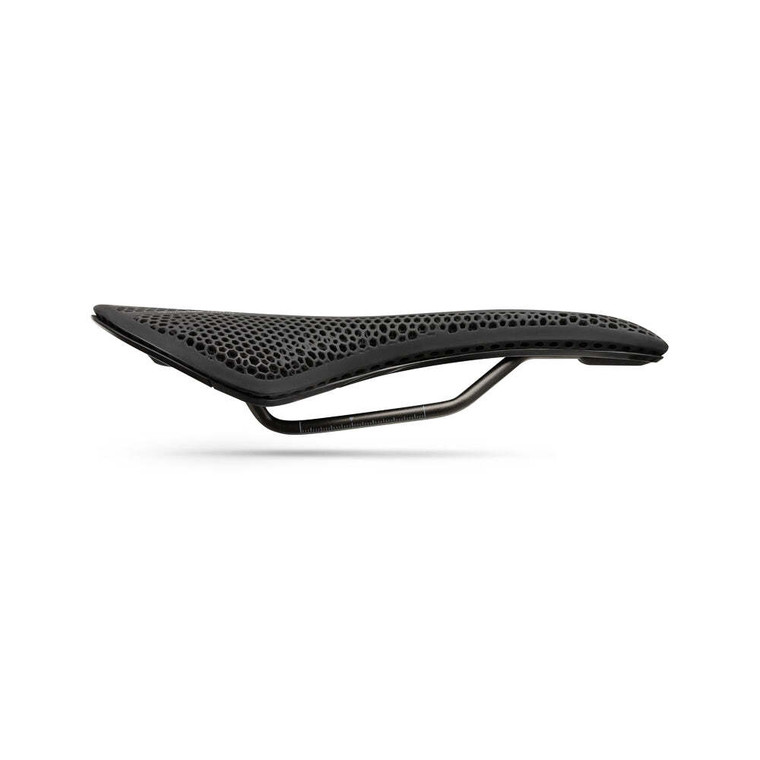
A versatile saddle designed with a low-profile, tapered nose-to-wing transition, and our Adaptive 3D-printed padding to provide comfort in every riding position.
A high-performance saddle with a streamlined shape and tapered nose-to-wing transition, now available with Adaptive padding, our most advanced 3D-printed padding technology.
| Size | Padding technology | Shell material description | Rail material | Weight | Width | Height at 75mm | Length from nose at 75mm | Rail Dimension | Length |
|---|---|---|---|---|---|---|---|---|---|
| 140 | Adaptive | Carbon reinforced nylon shell | Kium | 220 g | 140 mm | 50 mm | 147 mm | 7x7 | 268 mm |
| 150 | Adaptive | Carbon reinforced nylon shell | Kium | 225 g | 150 mm | 50 mm | 147 mm | 7x7 | 268 mm |
3D-PRINTED PADDING
Fizik Adaptive 3D-printed padding has expanded to the Antares family, creating the perfect match for those who want exceptional, long-lasting comfort on a low-profile performance saddle designed to allow a more connected feeling for optimal pedaling efficiency and power transfer.
TAILORED ZONAL CUSHIONING
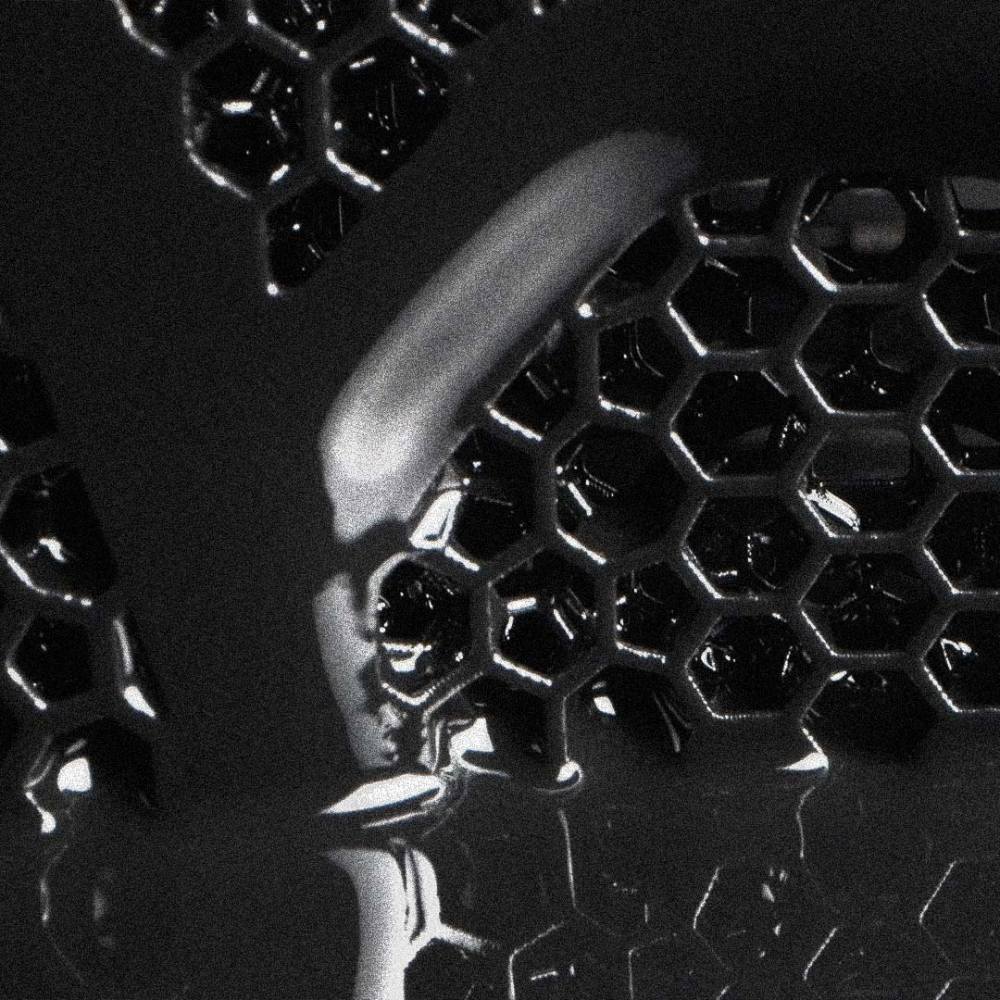
The evolution of digital 3D printing has allowed us to develop a new saddle without the constraints or limitations imposed by traditional production methods and materials. The Adaptive saddle padding is crafted by Carbon® using their revolutionary Digital Light Synthesis™ technology. DLS is an additive manufacturing process which uses digital ultraviolet light projection, oxygen permeable optics, and programmable liquid resins to produce parts with excellent mechanical properties, resolution, and surface finish.
LAB TESTED, ROAD PROVEN
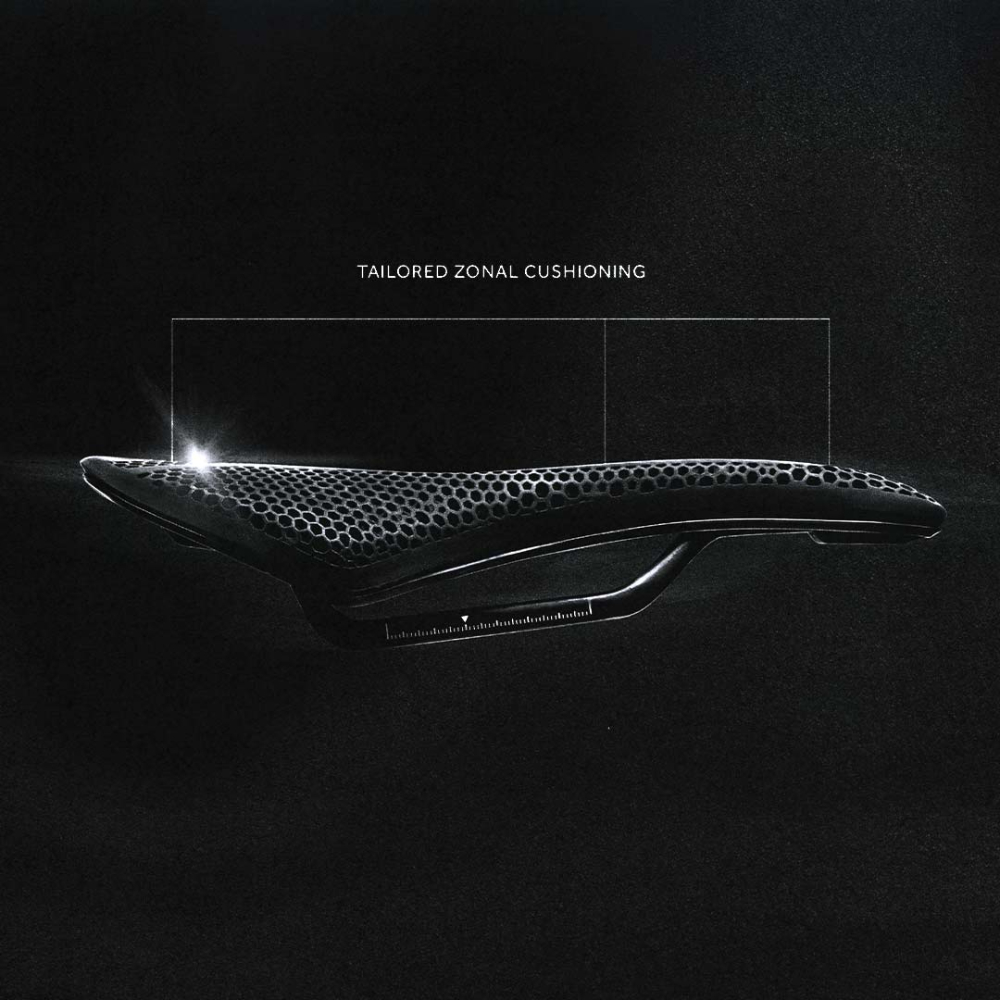
Using Carbon® technology, biomechanics and engineers have an unprecedented possibility: to design and manufacture multiple functional zones within the saddle, tuning each of them separately for specific mechanical properties. Each of these key functional zones is engineered for a distinctive cushioning and mechanical response, joined together progressively and seamlessly in the same padding. The result? A 60% reduction in peak pressure through improved weight distribution for increased comfort across the entire saddle surface.